Description
IGF-1 1mg × 10 Vials – Comprehensive Guide to Insulin-Like Growth Factor Research Peptide
IGF-1 1mg × 10 vials is a widely recognized peptide product commonly researched for its potential role in muscle development, cellular recovery, performance support, and tissue regeneration studies. Known scientifically as Insulin-like Growth Factor 1, IGF-1 plays a critical role in growth, repair, and anabolic activity within the body.
In this SEO-friendly article, we’ll explore how IGF-1 works, its potential benefits, research applications, storage guidelines, and why IGF-1 1mg × 10 vials continues to attract attention in modern peptide studies.
What is IGF-1?
Insulin-like Growth Factor 1 is a naturally occurring peptide hormone primarily produced in the liver in response to growth hormone stimulation.
It plays an important role in:
-
Muscle growth
-
Tissue repair
-
Cellular regeneration
-
Protein synthesis
-
Recovery processes
IGF-1 is widely studied for its anabolic and regenerative properties.
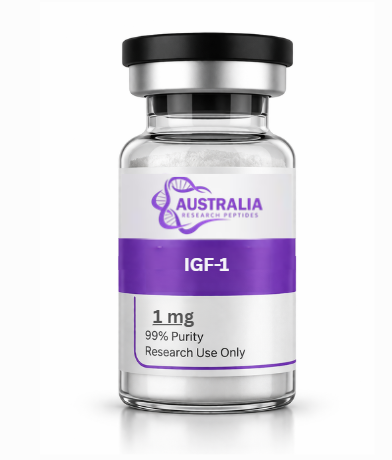
Product Overview: IGF-1 1mg × 10 Vials
This product format typically includes:
-
10 vials
-
1mg of IGF-1 per vial
-
Lyophilized (freeze-dried) peptide powder
-
Intended for research or controlled applications
The vial format allows flexible handling and precise measurement in peptide research environments.
How IGF-1 Works
IGF-1 works by interacting with specific receptors involved in cellular growth and repair.
1. Muscle Growth Support
IGF-1 may help stimulate:
-
Protein synthesis
-
Muscle cell growth
-
Muscle fiber repair
-
Lean tissue development
This anabolic activity is one reason it is commonly discussed in performance-related research.
2. Cellular Regeneration
Research suggests IGF-1 may support:
-
Tissue recovery
-
Cellular repair mechanisms
-
Regenerative processes
-
Recovery after physical stress
3. Recovery and Repair
IGF-1 is often studied for its potential role in:
-
Supporting post-workout recovery
-
Reducing recovery time
-
Assisting muscle regeneration
-
Enhancing healing processes
4. Growth Hormone Pathway Support
IGF-1 works closely with natural growth hormone signaling pathways, making it highly relevant in endocrine and metabolic research.
Potential Benefits of IGF-1 1mg × 10 Vials
1. Muscle Development Research
IGF-1 is commonly explored in studies related to:
-
Lean muscle growth
-
Muscle repair
-
Strength support
-
Athletic recovery
Its anabolic properties make it highly popular in peptide performance research.
2. Recovery and Regeneration Support
Research involving IGF-1 often focuses on:
-
Tissue repair
-
Recovery optimization
-
Cellular regeneration
-
Physical rehabilitation studies
3. Performance Support Potential
IGF-1 may help support:
-
Training recovery
-
Endurance adaptation
-
Muscle preservation
-
Exercise recovery
4. Cellular Health Research
-
Healthy aging research
-
Cell regeneration
-
Growth factor signaling
-
Metabolic activity
IGF-1 vs Traditional Growth Support Compounds
| Feature | IGF-1 | Traditional Growth Support Compounds |
|---|---|---|
| Mechanism | Growth factor signaling | Hormonal stimulation |
| Muscle Growth Support | Strong | Moderate |
| Recovery Support | Enhanced | Standard |
| Cellular Repair | High | Variable |
| Regenerative Potential | Advanced | Limited |
This regenerative profile is why IGF-1 remains highly discussed in peptide science.
Usage and Administration
IGF-1 is typically:
-
Reconstituted using bacteriostatic or sterile water
-
Administered through subcutaneous injection
-
Used in research or controlled environments
Storage and Handling Guidelines
Proper storage is essential to maintain peptide stability and effectiveness.
Recommended Storage Instructions
-
Store in a cool, dry place
-
Protect from direct sunlight
-
Refrigerate after reconstitution
-
Use sterile handling procedures
-
Avoid repeated freeze-thaw cycles
Correct handling helps preserve product quality.
Potential Side Effects
Possible side effects associated with IGF-1 research may include:
-
Injection site irritation
-
Headaches
-
Temporary fatigue
-
Changes in appetite
-
Mild water retention
Responses may vary depending on dosage and individual sensitivity.
Why IGF-1 is Gaining Popularity
1. Muscle and Recovery Research
IGF-1’s role in muscle growth and tissue repair makes it a major focus in sports science and regenerative studies.
2. Regenerative Medicine Interest
Growth factor peptides are becoming increasingly important in advanced recovery and cellular regeneration research.
Who is IGF-1 Being Studied For?
Research involving IGF-1 commonly focuses on:
-
Muscle development studies
-
Recovery and repair research
-
Regenerative medicine applications
-
Exercise recovery
-
Cellular growth research
It is essential to follow all medical and legal guidelines regarding peptide research products.
Buying Considerations
Product Purity
-
Choose high-purity research-grade peptides
Packaging Quality
-
Ensure properly sealed and labeled vials
-
Verify reliable shipping and storage conditions
Pros and Cons
Pros
-
Advanced growth factor peptide
-
Strong muscle and recovery research potential
-
Supports regenerative studies
-
Popular in peptide science
-
Flexible vial format
Cons
-
Injectable administration required
-
Requires proper storage and handling
-
Research regulations vary by region
-
Potential side effects may occur
Final Verdict
The IGF-1 1mg × 10 vials is a highly researched peptide compound known for its potential role in muscle development, recovery support, and regenerative science. Its connection to growth factor signaling and cellular repair makes it one of the most discussed peptides in performance and recovery research.